
Our work
Two projects. One mission: closing the distance between remote Karakoram communities and the basics — healthcare and education — that shouldn’t be out of reach.
Why it’s needed
One doctor for every 4,100 people
Gilgit-Baltistan has far fewer doctors per person than the rest of Pakistan, and the nearest properly equipped hospital is a two-hour journey from the valleys we serve. When a prescription costs more than a family can spare, it often goes unfilled.
People per doctor
4,100
1,206
Free medicine for those who cannot afford it
At the Hoper Valley health dispensary and the SAS Valley civil hospital in Askurdas, Taskeen supplies the medicines on a patient’s prescription that they cannot afford to buy. Our medicines supplement what the hospital already provides, so that the full course of treatment gets completed. Every case is assessed by local volunteers and logged.
About these figures. We have made our medicine records as reliable as we can, but the remoteness of the region makes communication and record-keeping difficult. We estimate the patient data is about 90% complete. Some visits were missed through human recording errors over the years, and patients who received medicine at Taskeen’s own support events are not all in the log. The real number of patients helped is therefore higher than shown here.
How medicine reaches a patient
- Hospital lists the needMedical Officers issue a seasonal supply list for their area.
- Local suppliers quoteVolunteer suppliers offer fair packages for the list.
- Donors fund the orderDonations pay the supplier directly. Taskeen holds no stock.
- Delivered to the dispensarySuppliers pack and deliver straight to site.
- Prescriptions completedVolunteers check each prescription and cover what the patient can’t afford: all of it, part, or none. Every visit is logged.
Each dispensary’s log shows what was used and for what, which shapes the next order.
Open books
See every receipt for yourself
Purchase receipts, transfer details and medicine slips are all in our public Google Drive folder. Questions about any of them? Email us.
The people on the ground
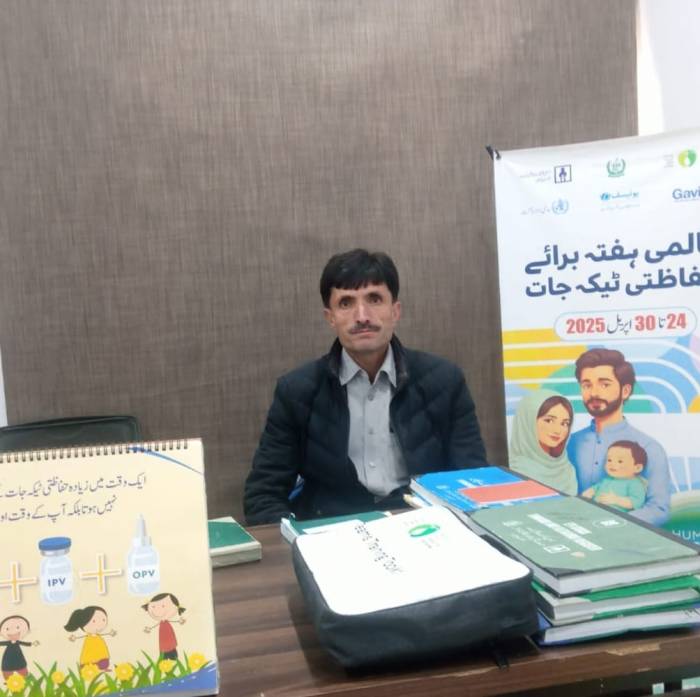
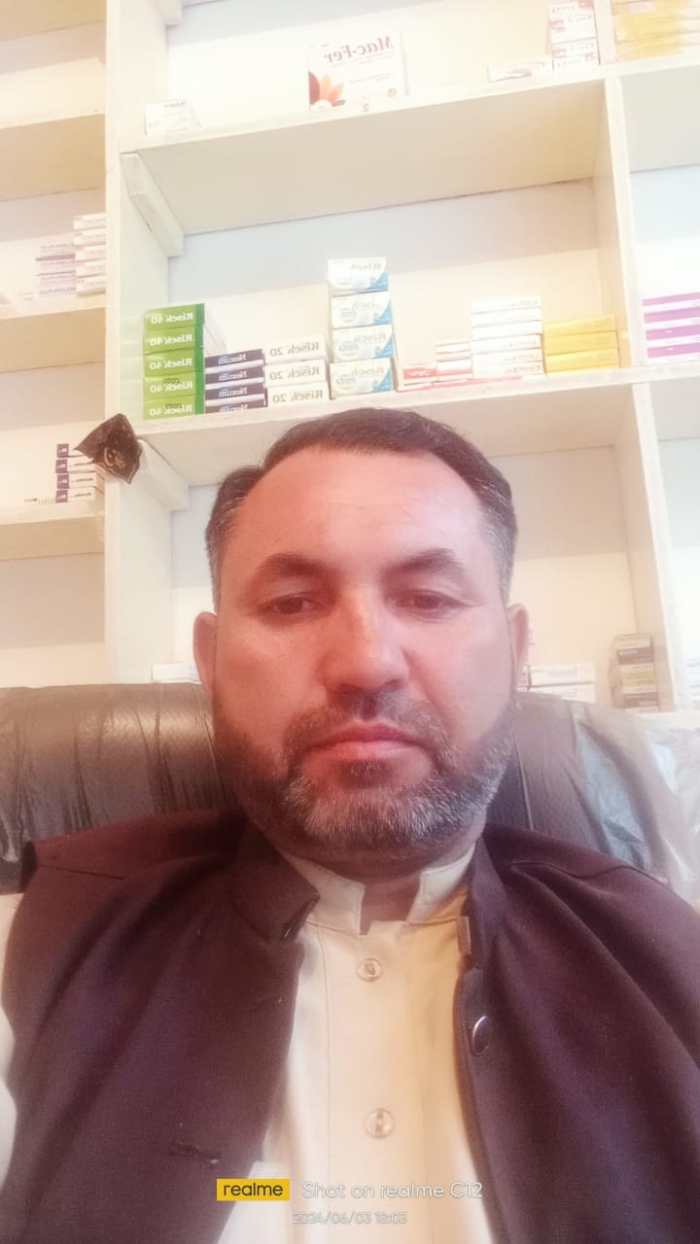
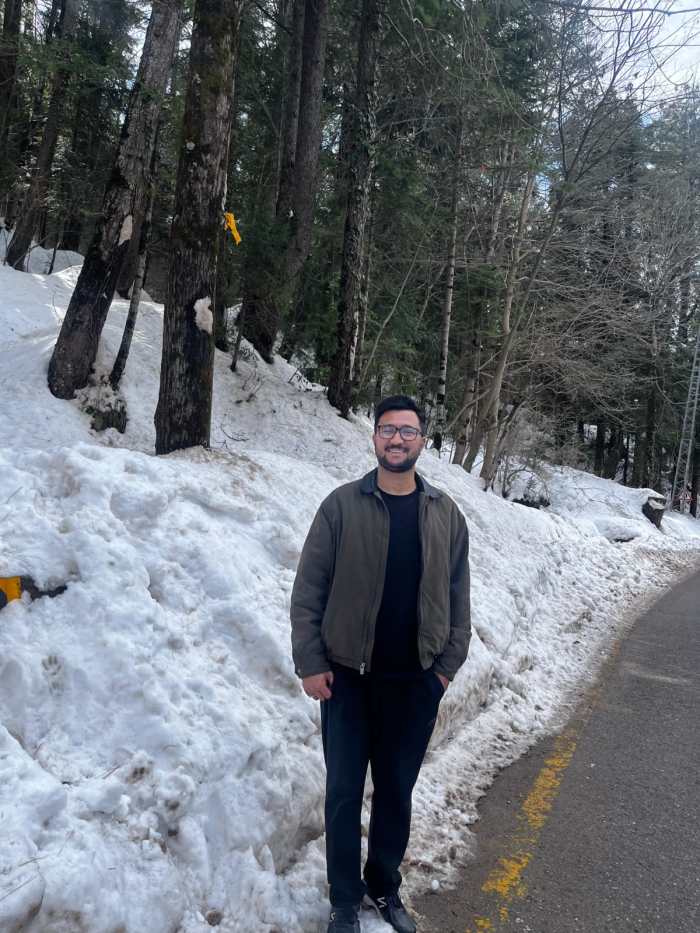
The medical staff at our two dispensaries who work with Taskeen to get medicine to the patients who need it.
Who the programme reaches
1,295
628
SAS Valley patients come mainly from Sumayar and Askurdas, with some from Shayar.
- Women 57% 1,052 visits
- Men 43% 791 visits
Almost one in four patients is a child under 15, and almost one in four is 60 or older.
Under 5
5–14
15–29
30–44
45–59
60+
Patients aged 60 and over are our largest group.
23%
22%
15%
14%
7%
5%
5%
4%
Diagnoses recorded at the dispensary, as a share of the 1,116 visits where one was noted; 5% were other conditions. Our medicines supplement each patient’s full prescription.
Where every rupee goes
Rs 706,050
From 13 contributions, including donors in Saudi Arabia (about a quarter of the total) and collection boxes in the community.
- Hoper Valley medicine Rs 321,572 4 orders
- SAS Valley medicine Rs 318,361 3 orders
- Ashura medical camp Rs 35,000
- Held for the next order Rs 31,117
95% of everything raised has gone straight into medicine and care. Every transfer is recorded against the batch it paid for.
Sunrise School computer lab
At Sunrise Public School in Thole, Nagar Khaas, we are building a computer lab so children can learn digital skills without leaving the valley. The building and furniture were completed by the community’s own hands.
-
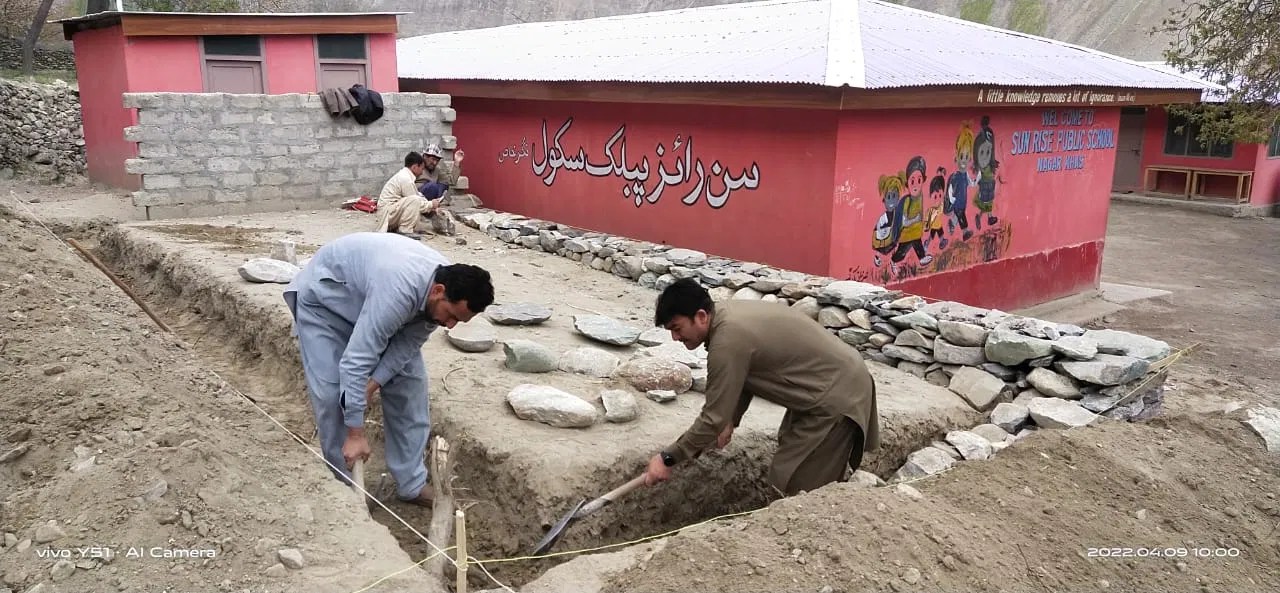
FoundationGround dug and stone foundation laid.
-
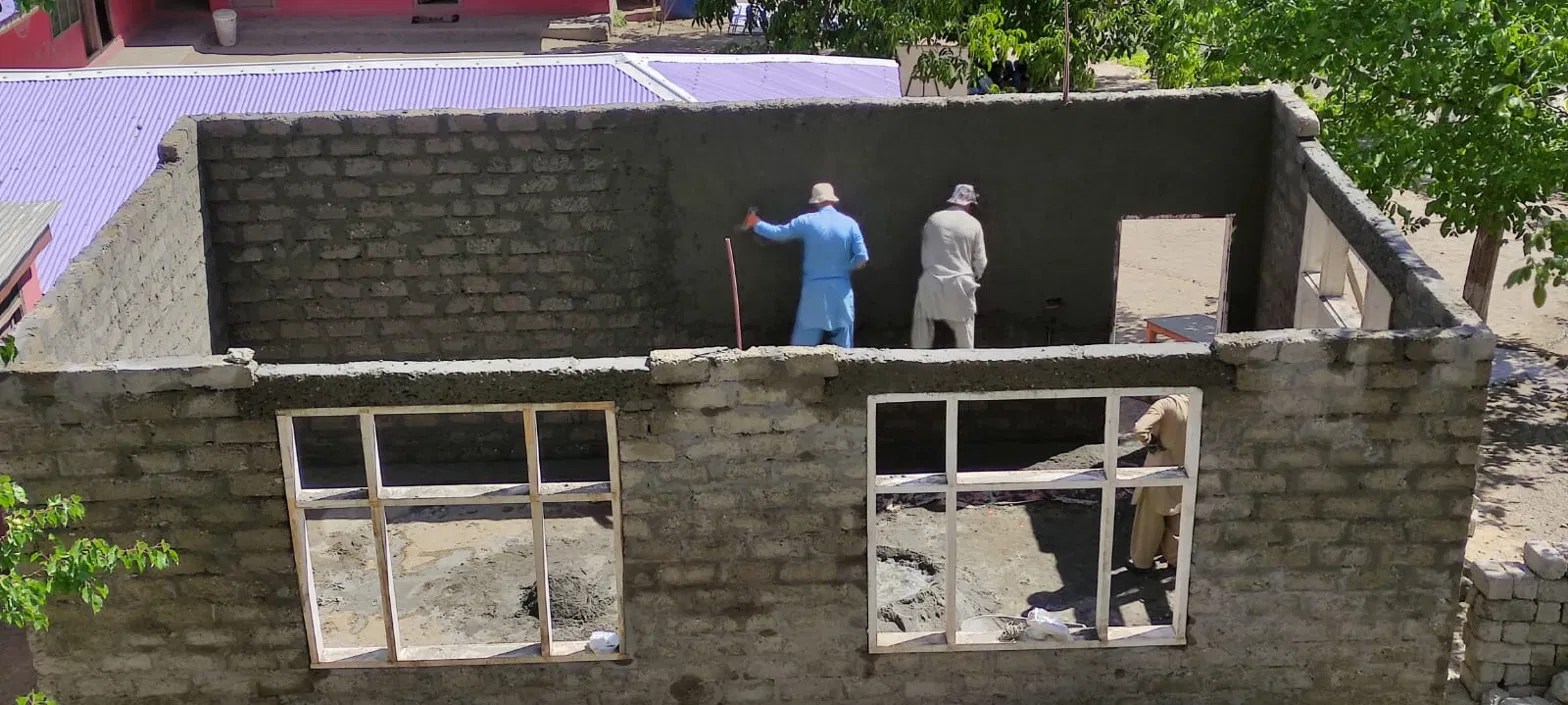
WallsWalls built and window frames set.
-
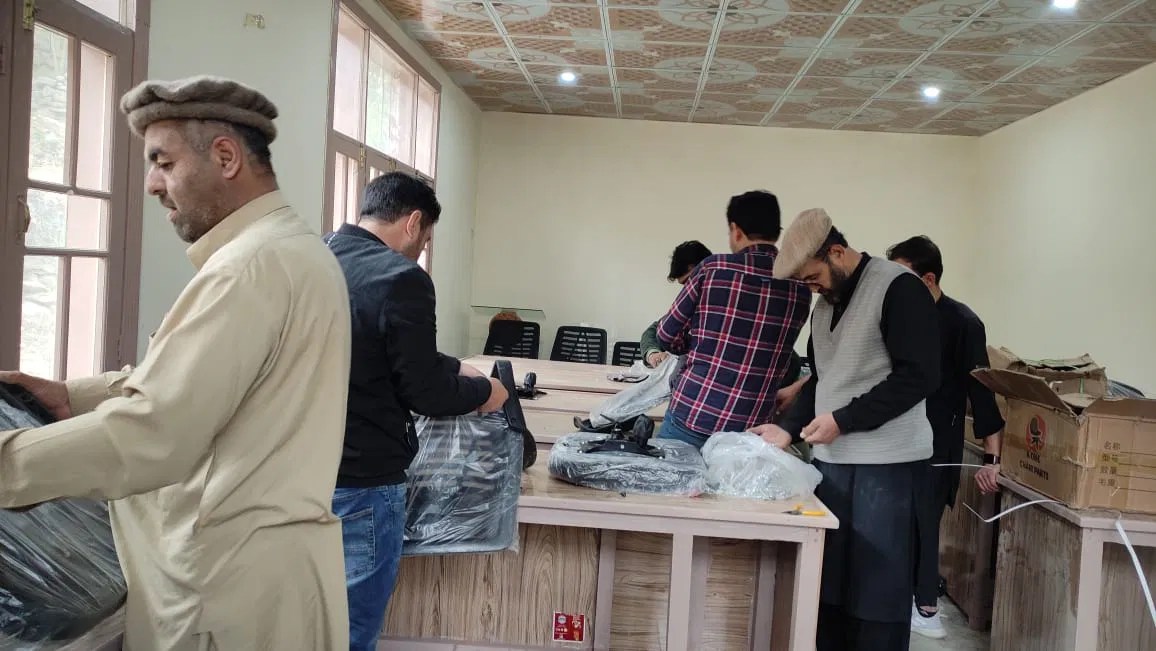
FurnishedDesks made by valley carpenters.
-
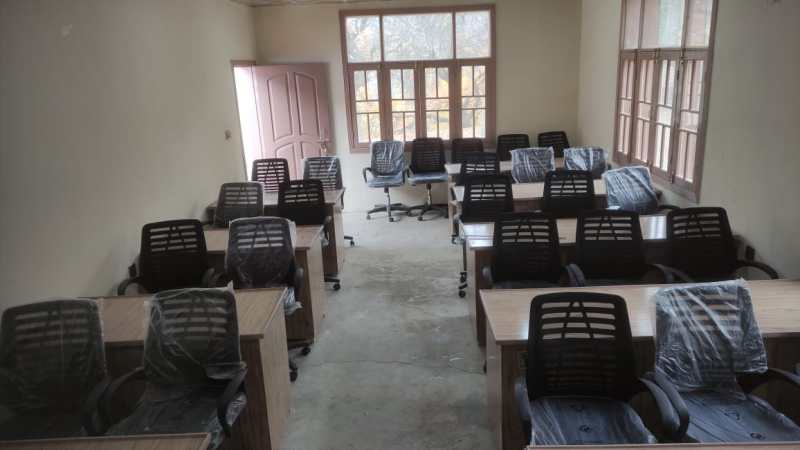 In progress
EquipmentLaptops are being sourced now. More updates as work progresses.
Fund the next order
A few hundred rupees can complete a patient’s prescription. Message us and we’ll tell you what’s needed now.
